All Categories
Featured


Comparing Traditional Systems Versus Modern Operations Blueprints
According to McKinsey, business that break down information silos see a 15-25% increase in marketing productivity. Information Governance Frameworks: Establish clear protocols for data gain access to, usage, and upkeep to make sure consistency throughout the organisation.
[target2:anchor_exact1]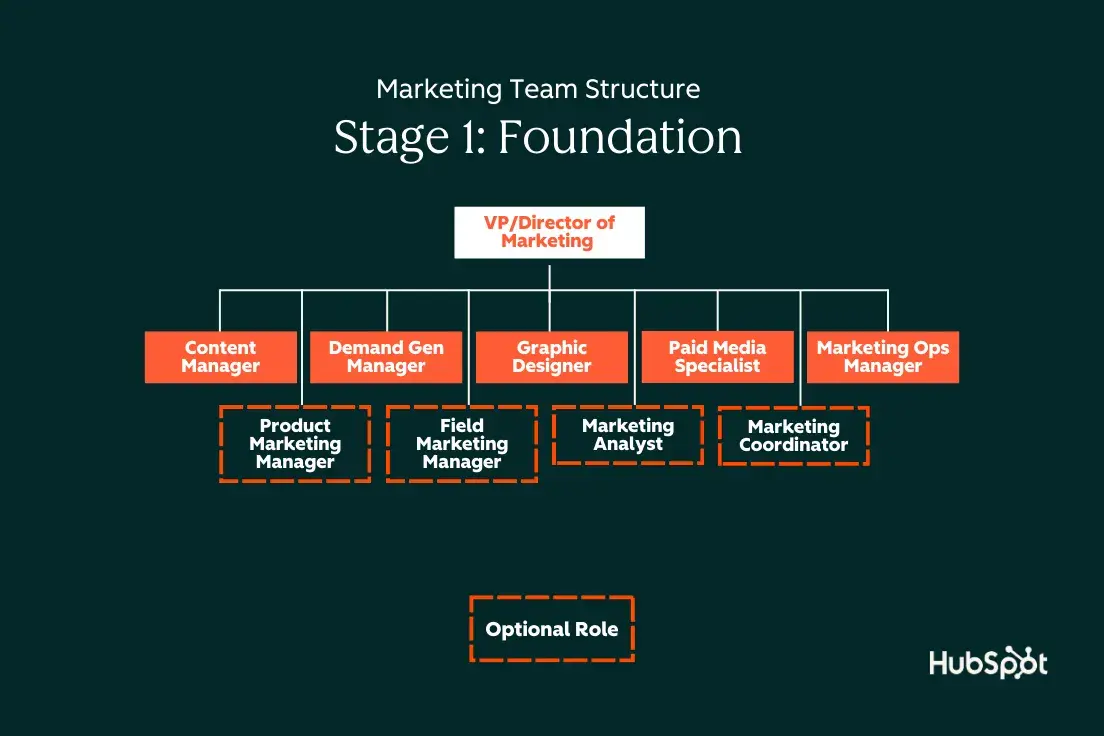
Routine Audits: Arrange quarterly data-quality evaluations to identify and deal with emerging problems before they impact performance. Real-World Example: Spotify's Data Innovation Spotify offers a leading example of data development, integrating structured quality control with innovative machine learning for client segmentation. Their technique has driven a 20% increase in subscriber conversion and a 15% boost in listener engagement, demonstrating how advanced information management directly impacts business results.
[target1:anchor_exact1]A blend of specialised functions and collaborative culture underpins effective marketing operations. A high-functioning marketing operations group usually consists of these vital roles: Marketing Operations Manager: Oversees organisational strategy, innovation advancement, and process optimisation.

Automation Specialist: Configures workflows, manages combinations, and ensures the technology stack provides maximum worth and efficiency. Content Operations Specialist: Manages the content production pipeline, guaranteeing consistency, compliance, and efficient asset management. Offered today's quick technological development, promoting a culture of flexibility is vital. Techniques to establish such resilience consist of: Upskilling Initiatives: Commit quarterly learning spending plans for expert training in emerging tools and methods.

Latest Posts

Why Thorough Market Analysis Fuels Company Growth

An Operational Approach to Scaling Firms
Preparing Marketing Strategies for Upcoming Market Shifts